About the project
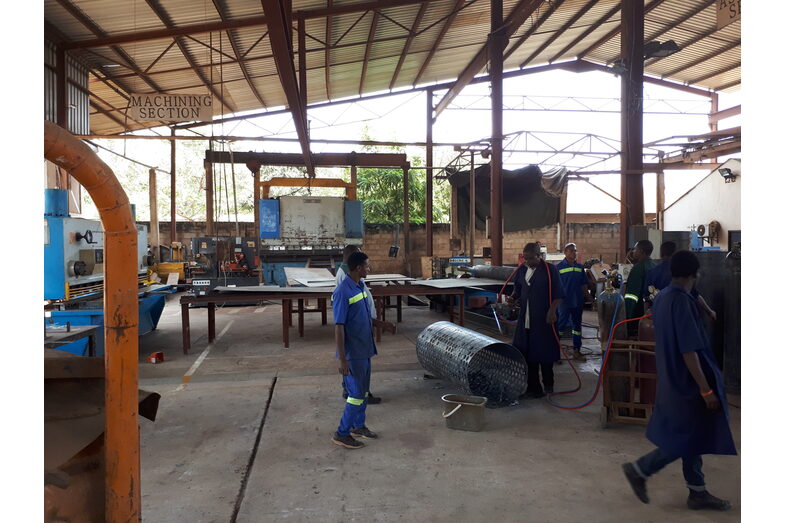
STEM-education is very relevant for East-African countries, where producing added value is a way of improving life standard in these developing countries. Furthermore, there is a high demand for technicians from investors, NGOs and the emerging mid-class in Ethiopia, Uganda and Tanzania, supported by legislative attempts to increase local employment. To cope with this demand, there is a need for skilled people, trained in relevant engineering trades, but they are hard to find, due to the strong theoretical approach in universities instead of practice-oriented competence-based teaching. This is directly related to the lack of modern curricula in engineering and industry-grade equipment. The ACTEA project aims to fulfil the specific needs in engineering, provide better skills matching, deliver course material in 2 specializations, Computer Aided Manufacturing Technology and Electrical Engineering & Automation and, establish technologic laboratories, with virtual and remote accessibility, establish the relevant learning tools, give academic staff additional training on technology and in developing technology-related course material according to EU standards. The results will be disseminated and exploited with train-the-trainer sessions, Master Classes and with training of a pilot group of internal and external stakeholders. Good practices and results will be made public through e-resources, radio and local media. The Business Integration Bureau favors cooperation with local business, for trainings, employing students or as client for end-products. All is done according to a well-defined quality assurance scheme. The impact on the short term is increased technologic and pedagogic knowledge, increased operational capacity, increase in engineering students, and a better cooperation with local industry. On the long term, the project aims at an increase in employability, in added value produced locally, sustained life-ling-learning and long-term high-quality knowledge gain in technology.
Sponsor
Funding code
597931-EPP-1-2018-1-BE-EPPKA2-CBHE-JP
Cooperation/project partners
- Artesis Plantijn Hogeschool (AP University), Antwerp, Belgium (project management)
- Howest - De hogeschool West-Vlaanderen, Belgium
- Fachhochschule Dortmund, Germany
- Technological Educational Institute of Crete, Greece
- Mekelle University, Ethiopia
- Jimma University, Ethiopia
- Mbarara University of Science and Technology, Uganda
- Muni University, Uganda
- Mzumbe University, Tanzania
- Ardhi University, Tanzania
- Research and Education Network for Uganda, Uganda
- Tanzania Education and Research Network, Tanzania