

A milestone for the advisory network at Dortmund University of Applied Sciences and Arts. For the 50th time, counseling staff from faculties, central institutions and external partners met for an intensive exchange.
For more than 20 years, Fachhochschule Dortmund's advisory network has been a permanent institution in everyday university life. The regular exchange has grown continuously and now has around 200 members. "The Counselling Network is a central component of our student support at various levels," emphasizes Prof. Weyers and adds: "The personal exchange between the counselors creates short distances and enables us to respond quickly and specifically to the needs of our students. The fact that we have now been able to celebrate the 50th meeting shows the importance and consistency of this format."
Broad network for comprehensive counseling
The network combines a wide range of advisory skills: In addition to central contact points such as the General Student Advisory Services (ZSB), the Career Service, the Office for Student Affairs and the International Office, subject advisors, inclusion officers, coordinators and the chairs of the examination boards of all faculties are represented. Student perspectives are incorporated by representatives of the AStA and the Student Advisory Service. External partners such as the university team of the employment agency, the student union, the university communities, the self-help contact point and the regional education office of the city of Dortmund complete the range of services.
The members meet every semester to discuss current topics from day-to-day advisory work, publicize services throughout the university and identify approaches for new measures. Between meetings, a team facilitates the daily exchange of information - an idea that emerged from the counseling network itself. The establishment of the ombudsman's office for students was also an initiative of the network.
Personal contacts instead of anonymous references
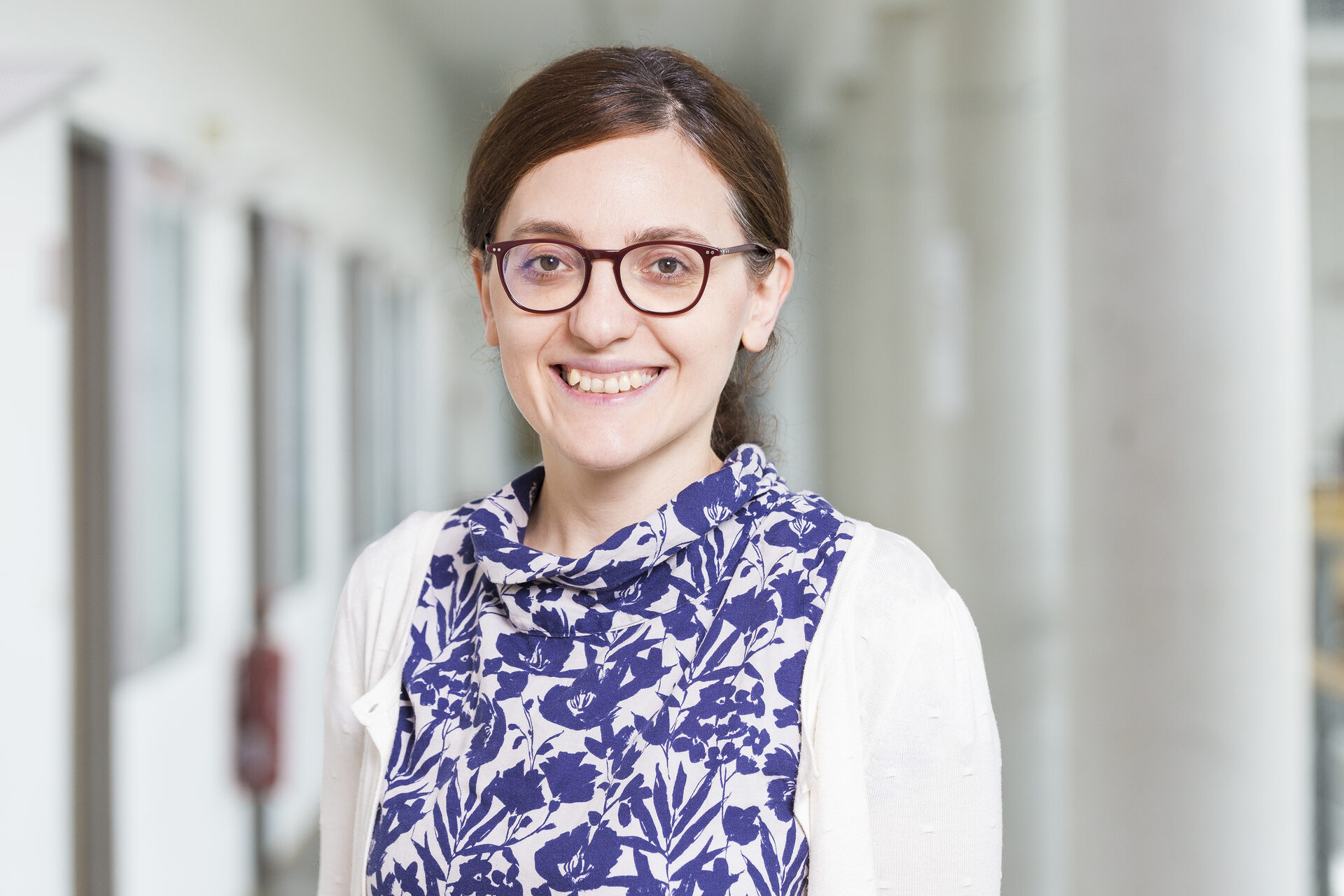
"The biggest benefit for our students is the personal referral culture," explains Lisa Fleischmann. "Our counseling staff don't refer students to anonymous offices, but to specific colleagues with names. This creates trust and makes it easier for students to access exactly the support they need." She is a student advisor in the General Student Advisory Service and the new coordinator of the advisory network. She has clear goals for the future of the network: To strengthen the exchange in the long term and to deepen the cooperation with the faculties even further.